Social development plays an important role in early childhood, helping shape how children interact and build relationships throughout their lives. An early learning centre provides a supportive environment where young children can develop the communication and interpersonal skills needed to engage confidently with others.
What Strategies Do Early Learning Centres Use to Enhance Social Skills?
Early learning centres use a variety of approaches to help children build confidence, develop communication skills and learn how to interact positively with others in different social settings.
Interaction-Focused Activities
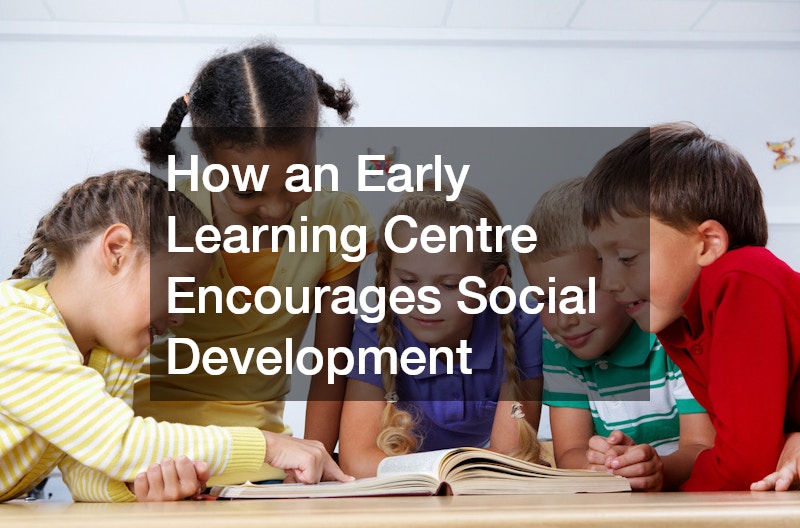
Early learning centres often incorporate activities that encourage children to work together and build a sense of community. Activities such as block building and group outdoor games encourage children to communicate, cooperate and share ideas.
These interactions help children develop fundamental social skills that support future relationships.
Collaborative Learning Experiences
Group activities provide children with opportunities to participate in cooperative play and shared learning experiences. When children work together to solve problems or complete tasks, they learn the value of teamwork and working towards common goals. These experiences can strengthen social connections while fostering a sense of responsibility and achievement.
Role Play & Emotional Recognition
Role-play activities can help children navigate different social situations in a supportive setting. These structured experiences allow children to explore different perspectives and develop empathy for others. Teaching emotional awareness also helps children recognise and respond appropriately to the feelings of those around them.
How Do Educators Influence Social Development in Children?
Educators play a central role in supporting children’s social growth by providing guidance, modelling positive behaviours and creating opportunities for meaningful interactions throughout the day.
Facilitating Positive Interactions
Educators play an important role in guiding positive interactions among children. By setting clear expectations and providing constructive feedback, they create an environment where children can explore social dynamics in a safe and supportive way. Through encouragement and positive reinforcement, educators help children build confidence in their ability to connect with peers.
Modelling Social Behaviours
Educators demonstrate positive social behaviours such as active listening, empathy and respectful communication. By observing these behaviours, children learn valuable skills that can be applied to their own interactions. This guidance helps children better understand effective communication and relationship-building.
Conflict Resolution
Conflict resolution is an important aspect of social development in an early learning centre. Educators encourage children to approach disagreements with a problem-solving mindset, using communication that promotes understanding and cooperation. These experiences help children develop the skills needed to manage future conflicts constructively.
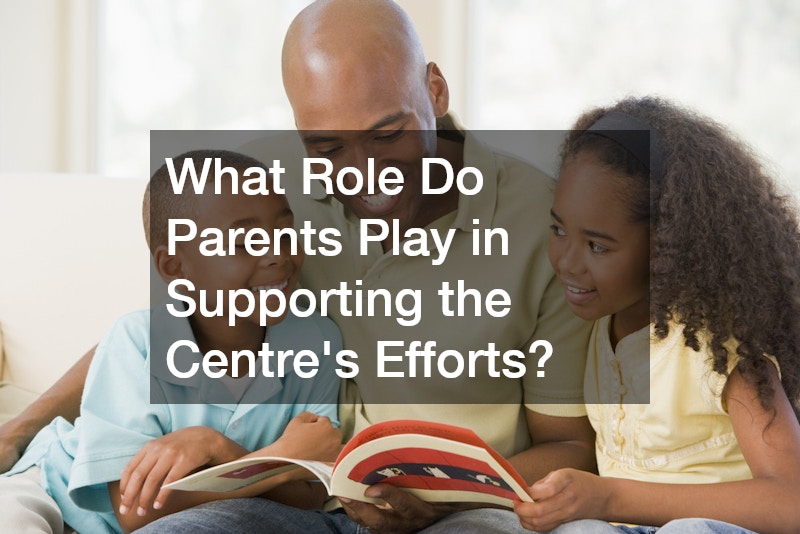
What Role Do Parents Play in Supporting the Centre’s Efforts?
Parents play an important role in reinforcing the social skills children develop at an early learning centre, helping create consistency between learning experiences at the centre and at home.
Parental Involvement in Activities
Parents can support their children’s social development by participating in centre activities and reinforcing the skills learned throughout the day. By volunteering at events or engaging in learning experiences, parents model positive community involvement and teamwork. This partnership between the home and the early learning centre helps create consistency in children’s social development.
Reinforcing Social Skills at Home
Parents can further support social development through everyday interactions and play at home. Activities such as family board games encourage patience, communication and turn-taking, while conversations about feelings can help build emotional awareness. A supportive home environment helps reinforce the social skills children are developing.
Communication With Educators
Maintaining open communication with educators helps align children’s experiences at home and within the early learning centre. Regular updates and discussions allow parents to better understand their child’s social development and any areas where additional support may be beneficial. This collaborative approach helps support positive outcomes for children.
Supporting Social Development Through Early Learning
Early learning centres play an important role in supporting the social development of young children through structured activities, guided interactions and educator support. Working alongside parents, they help create an environment where children can develop the social skills needed for lifelong learning and positive relationships. Through these shared efforts, children gain confidence in their ability to communicate, cooperate and engage effectively with others.